Wardrobe interiors
A consistent finish can be useful for shelves, dividers and drawer fronts, with edging and hardware specified for the design.
Melamine-faced board is an option for wardrobe interiors, shelving and cabinet fronts. For your furniture in Calpe, we compare the board, decorative surface and edging with the use and finish you need.
It is a board with a decorative surface bonded to it. The substrate and product specification matter as much as the visible colour.
A consistent finish can be useful for shelves, dividers and drawer fronts, with edging and hardware specified for the design.
Solid colours and wood-effect decors offer different visual directions. A wood-effect surface is not natural wood veneer.
Board thickness, supports, edging and fittings are chosen together. The decorative surface alone does not determine load capacity.
Compare the actual product specification on the same furniture design.
Water can reach the core through edges, joints or cut-outs. Suitability for a kitchen or bathroom depends on the complete construction and the selected product; moisture resistance does not mean waterproofing.
Use the selected manufacturer’s care instructions. Avoid leaving water on joints, and check any cleaner before using it on a visible area.
Melamine-faced board uses a prefinished decorative surface. Lacquer offers a different finish and fabrication process. Compare the appearance, edge detail, upkeep and cost on the same layout.
Veneer provides a real wood surface with natural variation. A wood-effect decor offers a more repeatable pattern. A physical sample helps clarify which result you prefer.
Board specification, finish, matching edges, cutting and the number of parts all contribute. Hardware and fitting should be compared separately so a cheaper surface does not hide a different scope.
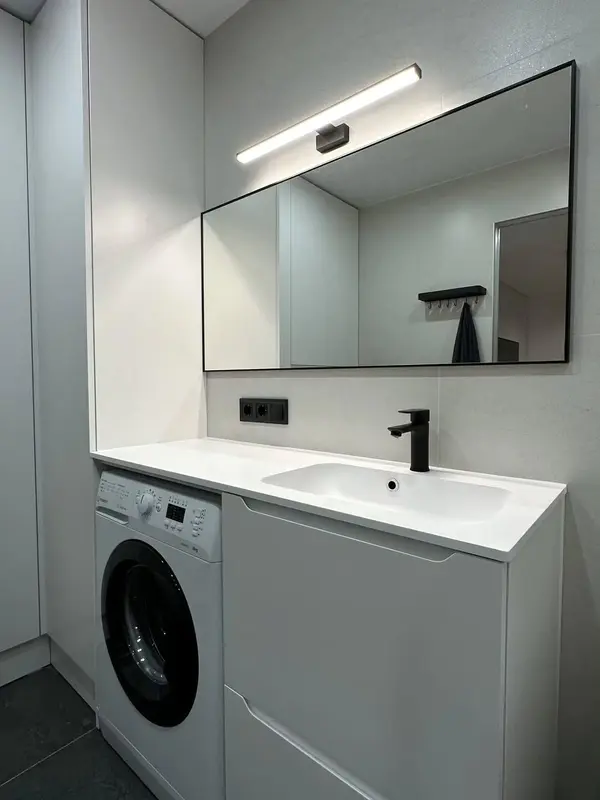 Photo collection
 Furniture inspiration from MMV Estudio
View on Instagram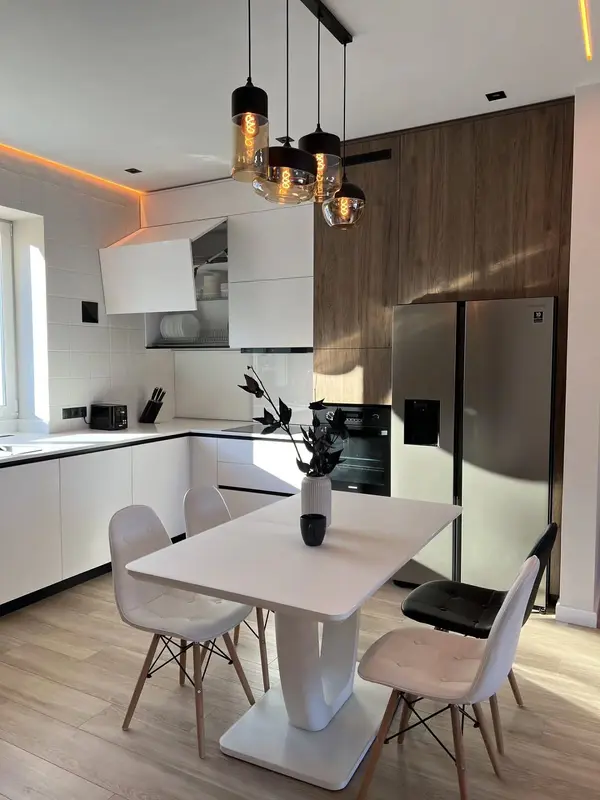 Photo collection
 Furniture inspiration from MMV Estudio
View on Instagram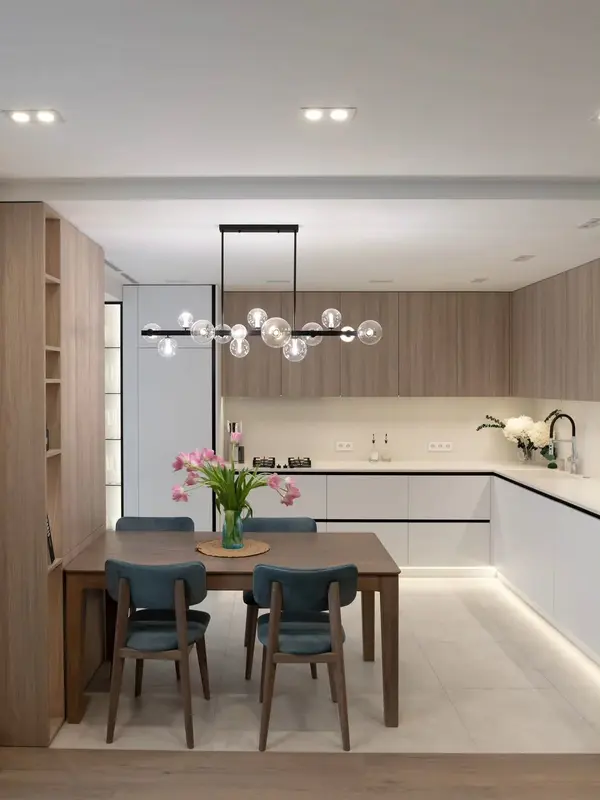 Photo collection
 Furniture inspiration from MMV Estudio
View on Instagram Photo collection
 Furniture inspiration from MMV Estudio
View on Instagram Photo collection
 Furniture inspiration from MMV Estudio
View on Instagram Photo collection
 Furniture inspiration from MMV Estudio
View on InstagramIt may be suitable in a properly specified unit. We check the board, edges, joints, water exposure and care requirements before confirming it.
No. The visible decor is applied to a supporting board. Solid wood and natural veneer are different materials with different construction and appearance.
Ask for the available finishes for your project. Compare a representative sample with the floor, walls and other furniture under the room’s lighting.
We will review your enquiry and contact you to clarify the scope and next steps. Sending this form does not place an order.