Material control
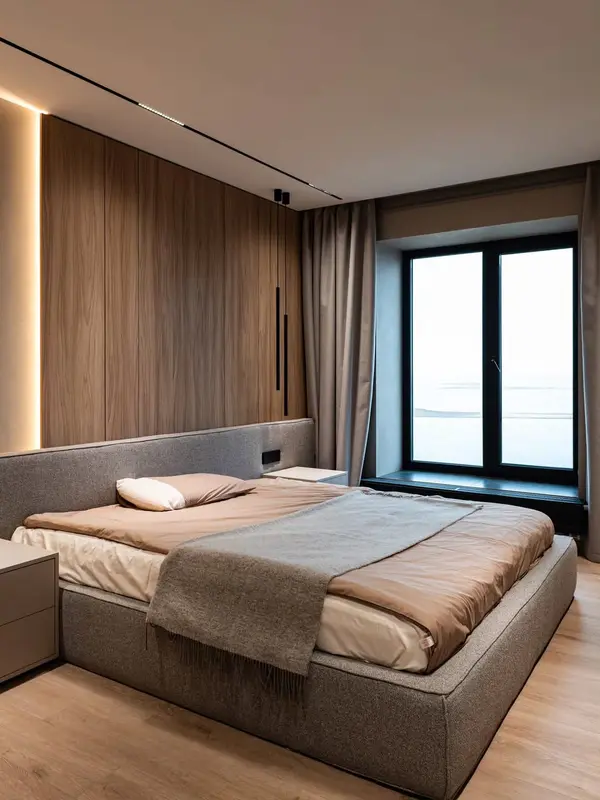
Boards, veneers, timber and finishes are checked against the specification.
The workshop receives an approved project, not a collection of inspiration images. Each component needs a material, size, edge, machining instruction and place in the fitting sequence.
The details below explain what you can expect and which points need to be confirmed for an individual project.
Boards, veneers, timber and finishes are checked against the specification.
Parts are prepared and identified for their module and installation order.
Critical junctions or mechanisms can be checked before the furniture leaves the workshop.
Finished parts are packed for the actual route into the property.
Made-to-measure work involves choices. We make them easier to follow by recording responsibilities, approvals and the current version of the scope.
Ask questions and send the information you have. A useful first reply should clarify feasibility and the next decision, not pressure you into choosing a finish.
Layout, material and cost are kept connected. If one changes, its effect on the others is explained.
Measurements, specification, access and the relevant approvals are confirmed. The workshop should not be resolving open design questions.
Seasonal occupancy and protection of the property are part of the fitting plan in Calpe.
The first aim is orientation. You should know whether the enquiry is within scope, which information is missing and whether a call, a form or a measured visit is the sensible next step.
We record decisions at the level appropriate to the stage. Early guidance stays clearly provisional; confirmed dimensions, materials and responsibilities do not.
Made-to-measure work passes through several hands. The point about trial checks is considered before and after that particular stage, and we keep the reason visible—not just the final instruction.
The address matters because seasonal occupancy can affect timing, module size or the sequence of a visit. It does not dictate an aesthetic formula.
If a point is not yet knowable, we mark it as open. Guessing may make a proposal look complete, but it creates a poor basis for ordering or comparing costs.
Good coordination is not more paperwork. It is enough reliable information, at the right moment, for the next person to do their job without inventing the missing pieces.
We do not apply a fixed “Calpe style”. Instead, we use the property type, orientation and fitting route to test the fit, function and feasibility of our furniture workshop.
A clean elevation is only useful if it can reach the room. We connect salt-laden air near the coast with packaging, lifting, protection and the sequence of fitting.
The room, not the catalogue, is the colour reference. We review terrace access before confirming timber tone, lacquer sheen or a strongly textured surface.
Bright light and seasonal occupancy are discussed with the use of the furniture. That keeps a visually attractive idea from creating awkward cleaning, inaccessible services or a difficult fitting sequence.
Yes. Use the contact form or WhatsApp and explain the point you need to clarify.
Response time depends on current workload and the detail required. We do not publish a promise that the team cannot reliably meet.
Only the contact and project information needed for the enquiry. Avoid including unrelated sensitive data.
The core service area is Calpe and relevant surrounding locations. A specific address is confirmed against scope and scheduling.
Send a short outline. If more detail is needed, we will tell you exactly what would make the next review useful.
Con unas fotos, medidas aproximadas y una idea de uso podemos preparar una primera orientación antes de concertar la medición.